ANCIENT PSYCHE: A BILINGUAL BLOG (ENGLISH AND GREEK) ON PSYCHOPEDAGOGY-PSYCHOHISTORY-PSYCHOARCHAEOLOGY-ARCHAEOTHERAPEUTICS-ARCHAEONATUROPATHY-ARCHAEOCOUNSELING WITH A CLASSICAL, ΒΥΖΑΝΤΙΝΕ/ORTHDOX CHRISTIAN, MEDITERRANEAN, HELLENIC, HELLENIC-AMERICAN, AND AMERICAN EMPHASIS Photo: Athens Square, Astoria, NY (USA)
Friday, May 25, 2012
Saturday, May 19, 2012
Arteriosclerosis: a Case Study
By Alex Colombos, CRC, MA, MPS, MA Ed
Certified Rehabilitation Counselor
New Mexico High lands University/Rehabilitation Association Service Researcher in Rehabilitation Counseling & Disability Studies (2010-2013)
Certified Rehabilitation Counselor
New Mexico High lands University/Rehabilitation Association Service Researcher in Rehabilitation Counseling & Disability Studies (2010-2013)
A. Case Study


John is a 45 year old accountant who has always reported a lot of stress and chest pain, especially when the income tax deadline approaches every April. John is also a heavy smoker and a personality type-A person. A few months ago, he reported to the E.R. (emergency room) with acute chest pain, shortness of breath, fatigue, chest pressure and looking pale. He was rushed to the Coronary Care Unit. His treadmill test, his electrocardiogram (ECG) and his coronary arteriogram turned to be abnormal, with the coronary arteriogram revealing a 90% occlusion of the left main coronary artery. As a result, he had an emergency bypass surgery. Rigidity and occlusion of the artery due to a plaque of lipids and fat were the cause of John’s Arteriosclerotic heart disease or arteriosclerosis, which is also called atherosclerosis, especially when there is plaque of lipids and fats (Falvo, 2009). John has reduced his exercise program and the hours of work from 60 per week to 50, but still his schedule is very heavy and overloaded and thus, stressful and anxiety provoking. However, he is still 250 pounds. His stress makes him eat a lot and as he avoid walking and exercise things get worse. He is also a heavy smoker who smokes an average of 40 cigarettes per day. His also on medication and has reduced smoking to 20 cigarettes per day, but still has moments of high blood pressure and chest pain and chest pressure, as he often gets anxious about his future and the future of his three children and his wife, who doesn’t work as she has to take care of their three children, since her and her husband’s parents have died and they have nobody to take care of the children and their two children whose increasing needs require more money and as a result more hours of work.
B. Diagnosis
 |
| Lung X-ray |
 |
| ultrasound arteriography with doppler effect |
 |
| regular arteriography |
 |
| Echocardiogram |
The traditional diagnostic methods for arteriosclerosis are both invasive and noninvasive. Invasive tests include arteriography or arteriogram, where a needle is inserted in the arteries and x-rays are taken (Strandness, 2010). Noninvasive tests are chest X-ray or Chest Roentigenography, where an amount of radiation is emitted and the electrocardiogram (ECG), which is “a graphic representation of the electrical currents within the heart” (Falvo, 2009, p.398), the echocardiogram where electrical signals of the heart are converted into ultrasound images and it is used to test the heart and all are performed by a radiologist or a radiological technologist while the Holter Monitor is a type of electrocardiogram which uses a monitor to graphically represent the electrical impulses as a continuous process unlike the traditional one of the one-time reading at a laboratory setting and can be performed by a cardiologist or a technician. The monitor can be portable and the patient may be hooked up to it holding it and checking his/her heart (Falvo, 2009). Ultrasonic arteriography uses Doppler effect that is generating “flow images” converted from electrical signals of the heart (Strandness, 2010). Also, the cardiac stress test is a graphic representation of the heart’s activity during an exercise, such as walking on a running carpet and can be performed by a cardiologist or a technician (Falvo, 2009).

 |
| stress test |
 |
| Holter Monitor |
 |
| ECG |
C. Etiology


Arteriosclerosis is the loss of flexibility of the arteries. It could be any arteries, from the coronary heart arteries, as in John’s case, to those of the peripheral circulatory system and the cerebral and carotid arteries (Falvo, 2009). Arteriosclerosis is interchangeably replaced and identified with atherosclerosis, but there is a slight difference. Atherosclerosis is a type of arteriosclerosis (Mayo Clinic, 2010). In fact, it’s a step ahead: the artery, instead of being simply occluded and narrowed, which is called stenosis, as in the case of arteriosclerosis, in atherosclerosis, it also has an atheroma or plaque of fat and lipids being formed, as already briefly mentioned in the case study (Epstein, 1999).


When the atherosclerosis is severe to the point the plaque totally blocks the artery so it becomes totally occluded, then myocardial infarction may occur (Falvo, 2009). This plaque is caused by hyperlipidemia or high concentration of lipids or fats due to high levels of cholesterol, a condition called hypercholesteremia. Cholesterol is naturally produced by the body. The good cholesterol or HDL (High-Density Lipoprotein) helps transporting LDL (Low-Density Lipoprotein) or bad cholesterol to the liver in order to be metabolized and excreted (Epstein, 1999). There is also the cholesterol taken by foods high in lipids, especially modified lipids and lipoproteins (Falvo, 2009). Arteriosclerosis and especially its subtype of atherosclerosis, is a type of inflammatory disease and not just a typical cardiovascular disease. Inflammation may also be tightly associated with atherogenesis or the generation/production of atheroma (plaque). That is due to the fact that chronic arteriosclerotic lesions trigger a series of cellular and molecular responses that, in aggregate, follow the same mechanism as in the inflammatory diseases. That has a major impact on arteries, muscles, and vital organs and its chronicity (prolonging/excessive duration of illness) manifest a severe chronic illness (Epstein, 1999). Atherosclerosis is usually considered a heart problem, but it often affects other areas of the body (Mayo Clinic, 2010). Although, atherosclerosis may lead to a diverse array of medical problems and conditions, it is both curable and preventable (Mayo Clinic, 2010).
Too much fat builds up on the arterial walls causing a thrombus, a plaque acting as a blood clot that impedes the blood circulation, as it narrows the artery and makes it more rigid and inflexible for the blood to flow. When the thrombus dislodges from the artery walls and travels in the bloodstream, it becomes an embolus in the form of an air bubble, a fat globule or other foreign matter (Falvo, 2009). When the passage is too small for the embolus to pass, the embolus gets stuck and totally interrupts the blood circulation in the specific organ or body part causing embolismus (Falvo, 2009). When that happens in the coronary arteries of the heart, as in John’s case, it causes myocardial infraction, known as heart attack (Falvo, 2009). Restricted blood flow may affects the kidneys causing renal failure or it may cause angina pectoris or chest pain which may exacerbate to heart attack when the blood flow in the coronary arteries is restricted. Smoking, as happened with John, can also cause and exacerbate arteriosclerosis as tar and nicotine build up in the artery and make it inflexible and narrow thus blocking blood flow (Falvo, 2009).
D. Biopsychosocial Aspects
a) Biological Aspect

 People with arteriosclerosis may suffer intense chest pain and chest pressure, lose their breath, get tired easily, may feel unfit and reduce exercise and hours of work and may avoid walking as they want to avoid heart attack. They may become pale as the blood flow is disrupted and reduced especially in the upper part of the body which due to gravity may get less blood. However, avoiding walking or light exercise may contribute to obesity and other factors that negatively affect cardiovascular problems, including arteriosclerosis (Falvo, 2009). Studies showed that people with atherosclerosis that are careful with their diet and especially those who are vegetarian have a much better prognosis (Guyton, nd). Moderate walking and light exercise help a lot in the improvement of cardiovascular health. Some symptoms people with arteriosclerosis may experience, include feeling either dizzy or light-handed, pain and tingling of left arm and their hands may feel numb. Atherosclerosis as an inflammatory disease causes a lot of inflammation and pain in the arteries and the muscles (Epstein, 1999). These are symptoms of getting heart attack. People with arteriosclerosis, like John, need to quit smoking, not just reduce it, but sometimes it is very difficult to stop it cold turkey and they may need to enter a smoking cessation program that can help them reduce their cravings (Falvo, 2009).
b) Psychological Aspect

 In a fast-paced urban society, arteriosclerosis a common word, usually, is associated with stress and anxiety. Arteriosclerosis may cause symptoms and problems of many severe cardiovascular diseases and it may also cause problems and even failure of other organs and systems of the body, so it is not an accident it is so frequent and it is behind many different types of medical problems (Epstein, 1999). As a result, having this disease may cause fear to the person who has it and sometimes even denial (Falvo, 2009). However, as it is mostly a word associated with etiology (causes), cholesterol and common and frequently occurring symptoms that may often be ignored and trivialized, as most middle and old adults have issues with cholesterol, people may go to the other extreme and hope that their arteriosclerosis may stay at the common levels and do not go further causing chronic vascular and arterial problems or causing serious problems in the carotid, eyes, the brain, the heart, or other vital organs. For this reason, people with arteriosclerosis often overreact to their illness and they may avoid activities, getting into fights or arguments, or expressing emotions as they may want to avoid heart attack (Falvo, 2009).
c) Social Aspect
1. Interpersonal Relationships
 Having a cardiovascular and inflammatory condition such as arteriosclerosis which can sometimes be unexpected on what it may cause and as its symptoms may be similar to prodromal (premonitory/leading to disease/early occurring/preliminary stage) symptoms of heart attack (Epstein, 1999), that may come with stigma. People observing one having such symptoms may be afraid and overreact, be overprotective, especially in the family or the community (Falvo, 2009). Fear of losing a loved one from future heart attack or other cardiovascular condition caused by chronic arteriosclerosis may raise issues of who will support the family, especially if the main bread winner is the person with arteriosclerosis (Falvo, 2009). Lack of understanding may bring anger and resentment in the family and community. Absence of social support may make it even harder to cope (Falvo, 2009).
Couples may avoid sex as one of them may fear of hypertension and even heart attack caused by intensive sexual activities and expression of intense intimate feelings. However, avoiding sex is not really a solution and therefore, individuals should discuss their concerns with their physicians and try to find the right one that makes them feel comfortable discussing such issues. Also, physicians should know how to motivate their patients to discuss such issues, as they may be afraid of labeling and being ridiculed and that’s because circulatory problems and low blood flow may cause loose or none erections (Falvo, 2009).
 Social isolation, depression and introverted behavior may appear and interfere with everyday interpersonal relationships (Falvo, 2009). Changes in diet, activities and other aspects of lifestyle may become obvious in everyday socializing (e.g. family reunion/holiday dinner, meetings, business lunch/dinner, gym, field trips/excursions, hanging out, etc.). Also, people with arteriosclerosis and other cardiovascular diseases may often not overtly exhibit symptoms, so that their environment may continue expecting them to act as they used to and that may be detrimental in some instances, as the person may not tell their family, loved ones, community or work environment about their medical condition (Falvo, 2009).
2. Independent Living

Lifestyle changes with arteriosclerosis. Diet has to change and weight needs to be controlled and therefore a clinical nutritionist/dietician should be consulted (Guyton, nd). Strenuous activities and intensive exercise have to be reduced, but appropriate exercise and moderate walking need to be continued for prevention with a help of a physical therapist or exercise physiologist/licensed physical education teacher, as some gyms may provide them. Also, tobacco and alcohol use may need to be reduced and smoking cessation and alcohol use psychoeducational and prevention programs may help (Falvo, 2009). Driving alone or doing a strenuous manual work may be negatively contributing to one’s condition, but the individual may need to feel independent and “ normal”, so may continue engaging in the same lifestyle. Physicians need to pinpoint such challenges from the intake and offer good communication and advice to their patients, which, unfortunately, not always happen or rather many doctors fail to do so (Falvo 2009).
3. Vocational Pursuits

The often asymptomatic course of arteriosclerosis or the mild overt and, sometimes not even overt, display of its symptoms may often be ignored and trivialized when catching up with work demands. Workers may be afraid to talk about arteriosclerosis as it is more like a set of symptoms and cause of a diverse and often unexpected array of problems and they don’t want to over-explain or overpathologize their condition. And that is because many employers, once they find out that their employee has a cardiovascular condition, even of a mild type, they may overreact, take it as a formidable barrier to work, because of the profound symbolism and importance of heart and the pervasiveness of the circulatory system and its ominous conditions. As a result, they may rethink of hiring a person with such a condition or they may not promote the individuals with this condition or may not give them responsible and powerful positions that may come with challenges and stress (Falvo, 2009). However, if there is a progressive exacerbation of the symptoms clearly associated with the condition, employees should tell their bosses, but some coaching by their physician or a help-line or a serious medical website would be helpful. Work activities such as standing, stooping, pushing, and lifting may cause hypertension and anomalies in the circulation and thus could lead to immediate and often unexpected cardiovascular episodes (Falvo, 2009). Especially those who work in stress-provoking jobs, such as accounting, as in John’s case, who work for many hours and do sedentary work, may need some special and appropriate exercise (e.g. cardio). People who had bypass surgery, as John, or other heart surgeries, may need to be extra careful with their work lifestyle, especially those with pacemaker, which may interfere with electronic devices in the workplace and elsewhere (Falvo, 2009).
4. Recreation/Leisure

Most recreational activities and even sports can be continued, but extremely rigorous activities should limited or avoided (Falvo, 2009). Other healthy recreational activities may be a good substitute (Falvo, 2009). Also, entertainment that may be associated with bad habits such as overeating, alcohol use, and smoking should be avoided (Guyton, nd). Recreational activities may help the heart stabilize its circulation and cope with inflammatory issues caused arteriosclerosis (Epstein, 1999) as well as prevent social isolation and depression (Falvo, 2009).
E. Treatment/Intervention/ Suggestions
 |
| carotid endartectomy |


Anti-cholesterol medications for reducing LDL may be prescribed, such as Lipitor, Crestor, and Vytorine (Guyton, nd). For those with carotid arteriosclerosis, carotid entartectomy, where an incision in carotid is made in order to place a stent into the carotid keeping the artery walls stretched to prevent obstruction, occlusion or stenosis (Falvo, 2009). Bypass surgery or CABG (coronary artery bypass graft), as in John’s typical atherosclerosis case, uses a graft in order to replace a removed segment of the artery or even create a new “shortcut” artery to enable blood flow. In cases, where the artery is just narrowed artery, percutaneous coronary intervention (PCI) is used, where a stent widens the narrowed coronary artery (Falvo, 2009). Sodium intake should be restricted as causing water retaining which increase heat’s workload. Low-fat and low-cholesterol diet and elimination of tobacco use are very important for prevention of myocardial infarction, stroke, and kidney failure (Falvo, 2009 – Guyton, nd)). Individuals with arteriosclerosis, and especially those with atherosclerosis, need to systematically seek medical evaluation, prescribed exercise, and in some cases, education and counseling, especially when lack of education or independent living are the case, or when psychological, psychosocial, psychosexual, interpersonal, and vocational issues emerge (Falvo, 2009).
References
Epstein, F. H. (1999). Atherosclerosis: an inflammatory disease. The New England Journal of Medicine 340 (2), 1-12.
Falvo. D.R. (2009). Medical and Psychosocial Aspects of Chronic Illness and Disability. Sudbury, NJ: Jones and Barlett Publishers.
Guyton, J.R. (nd). Atherosclerosis: A story of cells, cholesterol, and clots.
Mayo Clinic (2010). Arteriosclerosis Vs. Atherosclerosis. University of California at San Diego.
Strandness, E. D. (2011). Noninvasive Evaluation of Arteriosclerosis : comparison of methods. Arteriosclerosis, Thrombosis, and Vascular Biology, 3:103-116.

Friday, May 18, 2012
Diabetic Retinopathy: a Case Study
A.
Case
Study

Mark is a 29 year old male from Santa Fe,
NM with diabetes who graduated from college with a degree in art
education. He worked for one year as a
substitute teacher and later on was appointed as a middle school art
teacher. During his job, he realized
that his vision has been reduced and soon he was diagnosed with retinopathy, in
particular, nonproliferative, due to his diabetes. His current condition is moderate loss of
vision in both eyes, with his right one slightly worse than the left. As his job is strongly related to visual
skills, Mark is highly concerned and anxious about his future, as he thinks
that if the loss of vision progress it will be impossible to have a similar job
or any job related to his degree (Falvo, 2009).
B.
Diagnosis


Diabetic retinopathy is a condition of the retina, a
layer of the inner structure of the eye, where light is sensed by
photoreceptors, and it is due to diabetes (high blood sugar). Diabetic retinopathy is the most common cause
of blindness (Falvo, 2009). Diabetic
Retinopathy can cause visual loss in three categories: media opacity (cloudy
vision), central field loss and peripheral loss (Khan, 2007). Diabetic Retinopathy is diagnosed by an
ophthalmologist, a physician specialized in eye diseases, by having a retinal examination to check for retina
damage, which requires dilation of the pupil (Falvo, 2009). Another diagnostic
method is fluorescent angiography
helps to detect changes in the blood vessels of the retina. A fluorescein dye is inserted the eye blood
vessels emitting ultraviolet light in order to enable the taking of photographs
of the vessels for later study. If the
retina vessels are swollen or there is a leakage, a bleeding in the retina,
then that will be captured in the photograph (Falvo, 2009).
 |
| fluorescent angiography |
C.
Etiology

The cause of diabetic retinopathy is that
fluctuating blood sugars cause the lens to swell, resulting significant
changes, including refractive error.
This is common in early diagnosis and may result min changes in
eyeglasses prescriptions in days or weeks.
Even with sugars under control, still there may be some fluctuations in
vision (Khan, 2007). There are two types
of diabetic retinopathy based on its etiology (causes): nonproliferative diabetic retinopathy and proliferative diabetic
retinopathy.
 Non-proliferative diabetic retinopathy is
caused by changes in the blood vessel walls whose structure has been affected
by sugars. Those changes allow leaks of
fluids into retinal tissue. Small blood
vessels become occluded and circulation is disabled, so that too little oxygen
goes to the tissues (ischemia) and as
a result retinal tissue dies (necrosis)
(Falvo, 2009).
Non-proliferative diabetic retinopathy is
caused by changes in the blood vessel walls whose structure has been affected
by sugars. Those changes allow leaks of
fluids into retinal tissue. Small blood
vessels become occluded and circulation is disabled, so that too little oxygen
goes to the tissues (ischemia) and as
a result retinal tissue dies (necrosis)
(Falvo, 2009).  Poliferative diabetic retinopathy is caused
by the creation of too many small blood vessels, getting overwhelmingly closed
covering extensive areas of the retina.
As a result, ischemia occurs here again, that is too little oxygen going
to the retinal tissue and the body responds with the proliferation of small
blood vessels (neovascularosis), thus
making things worse for the retina (Falvo, 2009). The new blood vessels are abnormally fragile,
as they are too many to take much space, and eventually burst, filling the back
of the eye with blood and vitreous fluid, which is called vitreous hemorrhage (Khan, 2007).
Sometimes, the blood may clear by itself, but if it is too much, then it
covers the back of the eye, thus causing retina damage (Khan, 2007).
Poliferative diabetic retinopathy is caused
by the creation of too many small blood vessels, getting overwhelmingly closed
covering extensive areas of the retina.
As a result, ischemia occurs here again, that is too little oxygen going
to the retinal tissue and the body responds with the proliferation of small
blood vessels (neovascularosis), thus
making things worse for the retina (Falvo, 2009). The new blood vessels are abnormally fragile,
as they are too many to take much space, and eventually burst, filling the back
of the eye with blood and vitreous fluid, which is called vitreous hemorrhage (Khan, 2007).
Sometimes, the blood may clear by itself, but if it is too much, then it
covers the back of the eye, thus causing retina damage (Khan, 2007).
D.
Biopsychosocial
Aspects
a)
Biological
 Biological aspects of diabetic
retinopathy as a disability are the following symptoms and visual problems that
occur in everyday life and limit the person form various activities: seeing
faces or reading bus numbers or other signs from a distance; reading fine print
(newspaper, letters, bills, etc.), writing in a straight line, reading low
contrast material, increased intolerance to light; inability to move about
alone outdoor after dusk; difficulty locating food in a plate, difficulty
seeing the time on wristwatch; differentiating between coins of similar
dimensions; and seeing in dim illumination (Khan, 2007).
Biological aspects of diabetic
retinopathy as a disability are the following symptoms and visual problems that
occur in everyday life and limit the person form various activities: seeing
faces or reading bus numbers or other signs from a distance; reading fine print
(newspaper, letters, bills, etc.), writing in a straight line, reading low
contrast material, increased intolerance to light; inability to move about
alone outdoor after dusk; difficulty locating food in a plate, difficulty
seeing the time on wristwatch; differentiating between coins of similar
dimensions; and seeing in dim illumination (Khan, 2007).
b)
Psychological

People with diabetic retinopathy may not
lose sight overnight or may even not lose it at all, if they finally succeed in
controlling the blood sugar, which, in some cases however, is not easy at all
(Khan, 2007). They may experience rapid
fluctuations in their vision that may make them feel uncomfortable and insecure
with themselves, not sure what to expect to happen next (Falvo, 2009). As diabetes may afflict many different organs
and functions of the body, individual feels very vulnerable and uncertain for
the future (Khan, 2007). Psychological
adjustment to diabetic retinopathy may be hard, as in the beginning, the
individual may not know what category belongs to, as with partial or moderately
low vision that may occur in the early stages, the individual cannot be listed
either in the sighted or the non-sighted people, so that creates an identity
problem. The more visual the interests
and skills before the condition the harder the psychological adjustment of the
person may be to the disability resulting from diabetic retinopathy. When the individual reaches severely low
vision or blindness, as the later commonly happens in the vast majority of
people with diabetic retinopathy, isolation and social withdrawal are very
common along with feelings of helplessness and hopelessness (Falvo, 2009).
c)
Social
1. Interpersonal Relationships

Individuals in the early stages of diabetic
retinopathy with partial or low vision may be often taken as sighted by their
social environment and there may often be misunderstandings (gaps in conversations,
misinterpretation of body language, etc.), as people may expect more from them
and may misinterpret their mistakes that result from their visual problems
(Falvo 2009). As the individual may try
to pass as a fully sighted person in the beginning, misunderstandings become
worse and later on when the condition progresses, they completely give up. Also, when the disease progresses and results
to blindness, people may either show pity, withdraw or be overprotective to the
individual. Thus, the individual may
choose to withdraw and get isolated (Falvo, 2009). Families may react in various ways ranging
from anger to revenge to overprotectiveness, often making the individual
dependent and passive (Falvo, 2009).
Although diabetic retinopathy does not affect sexual functions, facial
and body language recognition may be affected, which may also affect the
quality of a sexual experience. Couple
therapy and counseling could be a way to help in this case (Falvo, 2009).
2. Independent Living

Dependence and quitting may prevent
individual from experience independent living and feel equally normal. Reaching blindness increases dependence and
lack of access to community resources.
Life coaching, training in both independent living (e.g. how to get
dressed, how to get clean/grooming, how to eat, etc.) and assistive technology
(e.g. Braille, cane, etc.) as well as obtaining counseling may help the person
adjust better and prevent dependence, negligence and self-negligence,
isolation, anger, anxiety, depression, learned helplessness or other problems
to take place. However, some people with
diabetes may lose tactile sensation, which makes it hard for them to learn
Braille (Khan, 2007). Having the family
of the individual participating in the training, service coordination/case
management (planning for transportation, financial benefits/assistance, doctor’s
appointments, access to buildings, etc.) and counseling process may enhance communication,
balance, self-resilience, and independent living for the person with the
disability, but also for the entire family to be independent and fully
functioning both as a whole and also as individual members with their own lives
and personalities (Falvo, 2009).

Various state agencies, such as for
instance, the New Mexico State Commission for the Blind have programs for
independent living, where Independent
Living Teachers, as they are called, can do home visits and teach
individuals, such as Mark, how to use a talking computer, calculator, scale,
clock or watch or other devices, so they can become independent and
self-sufficient (NM Commission for the Blind, 2011). Orientation and mobility trainers can also
help a person with visual disabilities navigate independently and safely. Protective shoes, service dogs, and canes can
help them navigate and prevent accidents (Khan, 2007). Also, the NM Commission of the Blind has a
program, Newsline for the Blind,
which provides access to over 30 publications through a touchtone phone. Also,
the Commission sponsors NFB-Newsline,
which provides access to over 200 national newspapers, some of them in Spanish (NM
Commission for the Blind, 2011). Such
programs usually focus on providing services especially to the older consumers
and those with visual problems in both eyes.
However, there are similar services offered for young people with
retinal degenerative disorders, such as diabetic retinopathy and also for those
who have severe visual loss on the one eye, but as they have diabetic
retinopathy or similar progressive disorders, they may be at-risk of complete
blindness in both eyes (NM Commission for the Blind, 2011).

Those
with some remaining useful vision can use optical devices, such as spectacle
devices (e.g. eyeglasses), stand magnifiers, hand magnifiers, absorptive
lenses, adaptive devices, such as closed circuit television systems (CCTV),
computer software magnification and screen readers and non-optical devices,
such as reading stands, felt-tip pens for dark and thick writing that improves
contrast; letter writers, signature guides, and a notex enable a person to between a currency of various denominations. But still instructional training is needed
for using the above tools (Khan, 2007). Glare control devices can also be used to
prevent distractive scattered light (e.g. sun wear, absotptive filters, tints,
anti-UV, and anti-reflective coatings) (Khan, 2007).
3. Vocational Pursuits
Although diabetic retinopathy is a
progressive and degenerative eye disorder which often leads to complete
blindness in both eyes, it may progress slowly, depending on the person’s
condition, genetic predisposition and the specific diagnosis and type of the
disorder. As a result, a person in the
early stage of visual loss, such as Mark, whose status is moderate and with the
one eye a little bit better than the other, can still work in the same field
and in the same line of work, even at the same work place (e.g. Mark still
working as a teacher at the same school), but taking some measures and some
precautions, as the disorder may exacerbate (Falvo, 2009). Assistive technology, for instance, and
visual aid, such as eye glasses, can be covered by the consumer’s insurance
with no need of accommodation. Later on,
as the disease progresses, reasonable accommodations could be made at the work
place (Falvo, 2009). Most people with
diabetic retinopathy may feel totally insecure of losing their jobs and just
give up or become isolated and depressed quitting their jobs and depending on
disability insurance. Lack of direction
or low expectations from family, friends and the person’s work environment may
be discouraging. Peripheral or central
vision may progressively increase the level of difficulty for doing job tasks
and functions (Falvo, 2009).
In Mark’s case, for instance, an middle
school art teacher, although it may seem to be challenging, as ink, dyes and
other chemicals which may not only risky for accidents, but also may affect
vision, as well as visual skills and increased need to monitor workshop for
effective classroom management, still there are options. For instance, having a teacher aid who has a
break in a period when Mark is in class, placing him in Marks class and working
with him, when needed in a some projects, or placing Mark in art classes with
students of mild disabilities (e.g. physical) where a paraprofessional may be
there helping the students, so there may be no need to have the school spend
extra money for Mark. Also, some
reliable student-helpers carefully selected may help Mark. Art classes that focus on art theory and art
history could be assigned to Mark, if there is such option. Also, Mark could be advised to attend a
School for People with Visual Disabilities, so he can learn Braille and the use
of the white cane. He could also prepare
himself to get a second license, such as special education for people with
visual disabilities, as soon as he could before the disorder progresses.
People like Mark, as there is a high
possibility for not being able to do the job they like, especially if that can
also relate to hobbies and leisure, such as art, can be encouraged to find
alternatives. For instance, Mark could
become a teacher for people with visual problems and give them lessons on how
to do creative arts and crafts using their hands in a safe way, without using
sharp instruments or tools lead and field trips to museums for people with
visual disabilities, where they can touch works of art, in particular inexpensive
replicas of statues, sculpture and buildings, and other crafts. Even when job placement for Mark fails, job
development can be the solution, as a vocational rehabilitation counselor may
work with employers and create a job position that suit the needs and skills of
the person with diabetic retinopathy. In
Mark’s case, a counselor could seek schools that focus on fine arts or special
education school, and such are usually many, which may be interested in having
Mark teaching alternative classes for art appreciation for people with visual
problems, or teach theoretical and historical approaches to the arts. Sponsors could be found in charter schools,
academies, private schools or even public schools with tradition in art
education or special education.
Every state has a state agency, including New Mexico’s Commission for the Blind that
provides vocational rehabilitation to people with visual disabilities. The role of the vocational rehabilitation
services is to provide vocational counseling and assessment and job placement based
on the individual’s strengths, resources, priorities, concerns, abilities,
capabilities, interests, and informed choice.
The NM Commission for the Blind does not offer transportation services,
but there are other agencies that do so and a vocational rehabilitation or a
case manager could take care of this and have it in the rehabilitation plan (NM
Commission for the Blind, 2011).
4. Recreation/Leisure
 |
| Museum for the blind |

 Leisure and recreation are very important
parts of one’s life and people with visual or any disabilities should not be
deprived from them, but have equal opportunities, instead. People with visual disabilities and
especially severe and progressive conditions such as diabetic retinopathy may
be really challenged in this domain as outdoor activities and even simply
getting outside the home may be quite difficult and unsafe (Falvo, 2009). Transportation to places of recreation or
entertainment could be a part of the rehabilitation plan and such resources
should be allocated and their access ensured by the counselor or case
manager. A service dog could be a great
help as well as the use of a cane. There
are several sport organizations and social clubs that serve people with visual
disabilities that may provide recreation for this particular population, such
as the American Blind Bowlers Association, Beep Ball teams and the United
States Blind Golfers Association, and many more (Falvo, 2009). Recreation for Mark may be very important as
he is a young person whose hobbies in studio were strong enough to make them
his job, as he is an art teacher. As a
person for whom vision is extremely important and a vital part of his
lifestyle, a good idea would be being able to get close to landscapes, nature,
outdoors, and places he could try to visualize and imagine how they really look
like. Also, another good idea would be finding
new hobbies and getting into sports or music.
All that requires the help of a team, such as counselors, case managers,
social workers, transportation specialists and, of course,
rehabilitation/independent living teachers and orientation and mobility
trainers as well as assistive technology professionals.
Leisure and recreation are very important
parts of one’s life and people with visual or any disabilities should not be
deprived from them, but have equal opportunities, instead. People with visual disabilities and
especially severe and progressive conditions such as diabetic retinopathy may
be really challenged in this domain as outdoor activities and even simply
getting outside the home may be quite difficult and unsafe (Falvo, 2009). Transportation to places of recreation or
entertainment could be a part of the rehabilitation plan and such resources
should be allocated and their access ensured by the counselor or case
manager. A service dog could be a great
help as well as the use of a cane. There
are several sport organizations and social clubs that serve people with visual
disabilities that may provide recreation for this particular population, such
as the American Blind Bowlers Association, Beep Ball teams and the United
States Blind Golfers Association, and many more (Falvo, 2009). Recreation for Mark may be very important as
he is a young person whose hobbies in studio were strong enough to make them
his job, as he is an art teacher. As a
person for whom vision is extremely important and a vital part of his
lifestyle, a good idea would be being able to get close to landscapes, nature,
outdoors, and places he could try to visualize and imagine how they really look
like. Also, another good idea would be finding
new hobbies and getting into sports or music.
All that requires the help of a team, such as counselors, case managers,
social workers, transportation specialists and, of course,
rehabilitation/independent living teachers and orientation and mobility
trainers as well as assistive technology professionals.
E.
Treatment/Intervention/
Suggestions
 |
| Vitrectomy |
Diabetic Retinopathy can be treated with
refractive correction (e.g. eyeglasses and magnifiers for those who still have
some vision left) and surgery (for more severe cases and for prevention of
blindness). Vitrectomy is a surgery performed to remove hemorrhage and laser
surgery can be applied to stop bleeding, namely, laser photocoagulation, where laser passes through the lens of the
eye and the vitreous fluid and burns with precision the broken vessels’ wound
and stops bleeding without damaging surrounding structures and tissues (Falvo,
2009). Although laser photocoagulation
can reduce the risk of visual loss, it cannot stop the progression of the
disorder. Such interventions can often
take place at an outpatient center (Falvo, 2009). Refractive correction may include low vision
devices that can be prescribed to individuals with nonproliferative diabetic
retinopathy who may have some remaining useful vision. But for people with proliferative diabetic
retinopathy and a history of recurrent hemorrhages, low vision devices are not
prescribed (Khan, 2007).
 |
| Laser Photocoagulation |
 |
| Talking Glucose Meter |
Diabetes management is very crucial for
people with diabetic retinopathy as diabetes is the cause of the disorder. Keeping blood sugar low and under control
should follow a carefully designed plan by a team of ophthalmologists, diabetologists/endocrinologists,
primary care physicians/internists, independent living/rehabilitation teachers,
counselors, and clinical nutritionists/dieticians. Numerous insulin-loading devices are
available as well as “talking” blood glucose monitors and most don’t require color
matching (Khan, 2007). Consumers should
also be trained to read insulin syringe and medicine labels. Regular follow-up with medical doctors and
frequent comprehensive low vision evaluation in order to identify goals and
visual needs are very important and crucial for a successful individualized
rehabilitation, diabetes control and prevention of further visual loss and
blindness (Khan, 2007).
References
Falvo. D.R. (2009). Medical and Psychosocial Aspects of Chronic
Illness and Disability. Sudbury, NJ: Jones and Barlett Publishers.
Khan, S. (2007). Low Vision
Rehabilitation and Diabetic Retinopathy. Saudi
Journal of Ophthalmology,21(3), 161-165.
Retrieved from: http://www.csid-bd.org/VI/VI-02.pdf
State of New Mexico Commission
for the Blind (2011).
Sunday, May 13, 2012
Assistive Technology for Students with Auditory Processing Disorder: the Case of Mary
by Alex Colombos, MA, MPS

Client’s Service System Involvements and Transitions:
 WYNN by Freedom Scientific comes with two different software packages: WYNN Wizard and WYNN Reader. These programs “are voice output, web browser, and text editor programs intended to help individuals with learning disabilities to read, write, study, and comprehend text more effectively” (Abledata, 2012). It writes and reads aloud in multiple languages and accents, it executes optical character recognitions (OCR), word prediction, web browsing, highlights sentences for study strategies, and offers dictionary services. It is a little pricey as it ranges from $943.00 to $379.00.
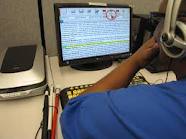 Kurzweil 300 comes as software for Windows and also as a machine. It has OCR and test program with voice output designed for use by individuals with dyslexia and other learning disabilities. This OCR software scans documents and reads scanned or electronic text aloud using synthetic speech. Documents are shown on screen with words highlighted as they are spoken. It can be used based on IEP. The Read Station, the read-only version costs $349.00 while a scan/read color version may cost $1,895 and a scan/read black-and-white version may cost $1,095 (Abledata, 2012). “Kurzweil 3000 Learning Lab Packs are available for schools or school districts wishing to provide assistance to multiple students with reading difficulties” (Abledata, 2012), so it can be ordered by Mary’s school and funded by it.
 Scan and Read Pro Scan is a software from Readingmadeeez.com that “changes printed text into understandable sound. The program helps you in reading and comprehension by highlighting each word as it's read aloud. Scan and Read Pro's voice can also be turned off if you prefer to focus on the visual input only” (Readingmadeeez.com, 2012). It costs only $149.95 (Readingmadeeez.com, 2012).
 Co:Writer 2.0 “is a word prediction software program that uses artificial intelligence to predict words based on subject-verb agreement, grammar rules, word relationships, proper names, frequency, redundancy, frequency, and user preference for individuals who struggle with writing due to physical limitation, language delay, or learning disability” (Abledata, 2012). Write:Outloud is a voice output word processor program that supports students while composing, editing, or revising. The program, like Read:Outloud, features a homonym checker and a dictionary, as well as clear, concise speech output” (Abledata, 2012). Those two are part of the SOLO package. Prices range from $99 to $325 (Abledata, 2012).
 Digital Voice Recorder for recording class lessons and verbal instruction. Digital recorders are quite cheap in comparison to software and AT devices and can be found everywhere.
 Dragon Dictation from Dragon Systems “is a voice input, voice output and voice input text editor program designed for use by individuals with spinal cord injury or upper extremity, vision, or learning disabilities. This voice recognition application allows hands-free operation of an Apple iPhone, iPod Touch or iPad. The program allows the user to speak and instantly see the text of what is said appear in the document, email message, or other input area” (Abledata, 2012). The most interesting with this product in Mary’s case is that it is for free and it can be downloaded from the Dragon Systems website (Abledata, 2012).
 A Touch of Music “is an auditory training activity designed for use with individuals with cognitive, sensory, and neurological disabilities. This portable board also encourages gross motor movement. The wooden board features a built-in carrying handle and a stand. Mounted to the board are cymbals, a drum, a bugle horn, a call bell, and an eight-note xylophone. Mallets are included with the set” (Abledata, 2012). This can be used both in Mary’s Music class as well as by Mary at her home for her music training and home study. Price is not available and it is provided only after contact with manufacturer (Abledata, 2012).
 SoundSmart is “a cognitive skills tutorial program and auditory training activity designed to improve listening skills, following directions, phonemic awareness, working memory, mental processing speed, and impulse control” (Abledata, 2012). It consists of the Attention Coach and the Math & Memory Coach, with the first one more important for Mary, especially for practicing listening skills. Price is provided only after contacting manufacturer..
 No-Glamour Auditory Processing Interactive Software “improves auditory processing skills in these areas: auditory reception, following directions, recognizing absurdities, phonological awareness, details, exclusion, identifying the main idea, problem solving, riddles, and comprehension”(Abledata, 2012)t has a CD-ROM with customized lessons for auditory training, pre-test and post-test assessment and student responsinses that can be documented for tracking student’s progress (Abledata, 2012). Another great feature is its very cheap price of only $41.95 which is very important when one considers that it is specially designed for students with Mary’s diagnosis and similar diagnoses (communication disorders) (Abledata, 2012).
 Other devices and software are the Activity Table, though it is rather for younger children, it still could probably be good for auditory stimulation combined with visual cues for Mary’s treating limitation (auditory) by using her functional capabilities (visual) (price info upon contacting manufacturer) and the Foundations in Speech Perception CD-ROM for auditory training and future risk of hearing loss that can be used in the classroom, home or speech therapy. Price is given upon contacting manufacturer.
 Also, Hearit SE-Model 560 is “The Hearit SE 3 Step Training Kit, model 560, is an auditory training activity designed for use with individuals with dyslexia, attention deficit disorder (ADD), attention deficit/hyperactivity disorder (ADHD), or hearing or auditory processing disabilities. This kit includes the Hearit SE, accessories for Speech Therapy/Bilingual Kit and Broadcaster (see entries) to facilitate individual, small group, or classroom work. Price is not provided, but most product of this series by Banana Speech Therapies are usually very expensive that can be used by speech therapist and be purchased by the school, though (Abledata, 2012).
Abstract
This paper aimed to present evaluation and recommendation for Assistive Technology for people, especially children with Central Auditory Processing Disorder (CAPD) and problems with speech perception and reception based on a case study. Description of Assistive Technology products was offered. Human Activity Interface Technology (HAAT) model was used. Recommendations were made for further assistive technology evaluation, follow-ups, follow-alongs, and referral services.
Key words: CAPD, HAAT, Case Study, Assistive Technology Evaluation, Recommendations
Introduction
Auditory Processing Disorder (APD) or Central Auditory Processing Disorder (CAPD) can appear in early childhood or at birth. Hearing is not always affect and it is rather a neurological disorder that involves problems in processing auditory information. People with this disorder have difficulties in the following functions: sound localization and lateralization , auditory discrimination, auditory pattern recognition, temporal aspects of audition, including temporal resolution, temporal masking, temporal integration, temporal ordering, auditory performance decrements with competing or degraded acoustic signals (MI Dep of Ed, 2006).
Focus: Human Activity-Assistive Technology (HAAT)

This is one of the most frequently used models in Assistive Technology (AT) that takes into consideration client’s individual needs and interaction patterns with AT & environment Human Activity-Assistive Technology (HAAT) in a more humane, accurate and holistic approach. In HAAT, human, activity, and environment are seen in context: social environment (familiar peers, non-familiar peers, stranger and the individual alone), setting (the individual’s home, the individual’s interaction in home or group home, employment/work school and community), and physical environment (light, sound, and heat). In this paper, the case will focus on children’s auditory processing disorder (Angelo, 2000 - Cook & Hussey, 2008). So for a nine year-old elementary student, school and sound are important factors as well as interaction, support, and motivation from the social and familial environment (Angelo, 2000).
Client’s Description:
This case study is based on a real person, a student I am currently teaching at a Greek parochial Evening School (after school program) in New York. However, for confidentiality reasons, the name is fictitious and personal data, including student record information has not been released here. It is not necessary anyway, as the emphasis is given on what assistive technology could be considered for a person with the general characteristics of Mary. Mary is a 9 year-old elementary student, a third grader. She is White (race), Greek-American (ethnic origin) and Greek Orthodox (religion). Her family belongs to the working class and they live in a small house in the Riverdale, NY. Mary’s parents are very caring, but obviously cannot afford very expensive AT. For this reason, AT cost and insurance options need to be taken into consideration.
Mary is a highly functioning consumer with high performance in both public school and the Greek parochial school. She is very good in math and art, but she needs special assistance in reading, speaking, and especially listening. Although she is in a honor’s class, she is having speech therapy at school and in past she had special education classes in reading and writing. Although she speaks quite well and she does not have any articulation disorder, her inability to understand instructions and her often misunderstanding of verbal cues and complex speech may result a certain difficulty in learning both a spoken and written foreign language, such as Greek, which a complex and demanding language with different alphabet and pronunciation. For instance, she may read “o” as “ou”, as I observed in our initial interview. Her essays also reflect misperception of spoken language and sounds, which is not an accident as Auditory Processing Disorder is a type of phonological disorders.
Her ENT (Ear Nose and Throat) doctors (otorinolaryngologists) has exclude any ear, auditory nerve or vocal cord problems. As a result, it is rather the brain and in particular Wernicke’s Area, which is responsible for understanding both written and spoken language and probably its networking with temporal (sound and music) and frontal lobes (verbal skills and high association process) (Gillam et al, 2011). Therefore, she needs the use of manipulatives and visual information (manipulatives, audiovisual technology and books with pictures and concrete and specially formatted drills and assessment) in the classroom (MI Dep. of Ed, 2006), which really work for her, as I have observed before and after their implementation of those methods of instruction.
Client’s Service System Involvements and Transitions:
a Early Intervention: Mary saw ENT (no ear/vocal cord damage/speech production problem), audiologist (no hearing problem). She also has SLP (Speech and Language Pathologist aka Speech Therapist) since Kindergarten.
\
Special-Education Preschool through High School: Mary had special education classes for reading and writing in the past, but now she is fully mainstreamed and actually even in an honor’s class, but she is still having speech therapy as a third-grader at school.
\
Special-Education Preschool through High School: Mary had special education classes for reading and writing in the past, but now she is fully mainstreamed and actually even in an honor’s class, but she is still having speech therapy as a third-grader at school.
c Vocational Rehabilitation
Mary systematically sees her School Counselor to discuss educational issues and other concerns she may have that may relate to or affect academics. At age 9 and grade 3, it would be feasible and appropriate for Mary to have for vocational rehabilitation some experience with career Exploration (interests, values, aptitudes-abilities-intelligence). For instance, for intelligence, aptitudes, and abilities, she could have WRAT-4 or Beta III with some more time granted as an accommodation for her disability and more detailed and concrete instruction given to her with questions that request feedback to confirm mutual understanding of the instrument and the procedure. For interests, she could have Career-for-Me for Elementary Students with Special Needs, which explores both career interests and work values. The Mirror Tracing is also good and easy with not much instruction needed and very accessible and it explores manual and finger dexterity as well as spatial perception and manual work skills and aptitudes.
d Post-Secondary Education
Although too early for post-secondary education, Mary has some good aptitudes, such as numerical and spatial, and manual abilities that if she uses and practices them she may have a very good prognosis. Speech therapy may help her also improve her limited areas, but also enhance and strengthen some speech and hearing functional capabilities that may later bring her to the level of being able to pursue even college and even have an ambitious professional career.
e Insurance Coverage
As a minor with disabilities, Mary receives Medicaid (including the Waivers)/Medicare. However, she does not have any other insurance. Her parents are working class people and cannot afford expensive equipment. However, some equipment, such as digital audio recorder could be purchased as tax exempted.
Assistive Technology (Initial) Evaluation
a a. Tasks/Activities:
Mary likes arts/crafts, animals & nature. She has numerical, spatial, and manual abilities that can be effectively used in mathematics, science, and art classes.
b. Psycho/Social/Cultural/ Physical Environments:
Mary comes from a Greek-American cultural/community family, whose cultural characteristics, though her mother is second generation of American, they still carry the cultural barriers that Greeks from agrarian areas of Greece have that is they are high achievers with many demands from their children for academic excellence. Also she comes from working class family which expects her daughter to have a better job with more benefits and higher Socio-Economic Status (SES).
c. Capacities: normal hearing, vision & sensory-motor skills and manual/finger dexterity.
d. Skills: normal speech production & good numerical skills
e. Limitations: speech perception/reception problem; marginal reading comprehension, needs additional instruction/directions, writing coherent sentence structure, and piecing written & speech information together; challenge in second language acquisition/learning a foreign or second language, careless mistakes in reading & writing, learning & performance in music (e.g. voice).
f. Functional Capabilities: cooperative, well-articulated, social/behavioral skills, hearing, eye-hand coordination. She can use those capacities in order to function better and compensate for her limitations or outbalance her limitations, as the term functional capabilities means (Cook & Hassey, ).
g. Possible Extrinsic AT Software:
Primary Software/Devices: Those can be used for everyday life improvement, some of them in the classroom, but most of them can also facilitate independent living and home study.
WYNN by Freedom Scientific comes with two different software packages: WYNN Wizard and WYNN Reader. These programs “are voice output, web browser, and text editor programs intended to help individuals with learning disabilities to read, write, study, and comprehend text more effectively” (Abledata, 2012). It writes and reads aloud in multiple languages and accents, it executes optical character recognitions (OCR), word prediction, web browsing, highlights sentences for study strategies, and offers dictionary services. It is a little pricey as it ranges from $943.00 to $379.00. Scan and Read Pro Scan is a software from Readingmadeeez.com that “changes printed text into understandable sound. The program helps you in reading and comprehension by highlighting each word as it's read aloud. Scan and Read Pro's voice can also be turned off if you prefer to focus on the visual input only” (Readingmadeeez.com, 2012). It costs only $149.95 (Readingmadeeez.com, 2012).
Don Johnston Products include software such as Co:Writer, and Read:OutLoud, WriteOutLoud.
Co:Writer 2.0 “is a word prediction software program that uses artificial intelligence to predict words based on subject-verb agreement, grammar rules, word relationships, proper names, frequency, redundancy, frequency, and user preference for individuals who struggle with writing due to physical limitation, language delay, or learning disability” (Abledata, 2012). Write:Outloud is a voice output word processor program that supports students while composing, editing, or revising. The program, like Read:Outloud, features a homonym checker and a dictionary, as well as clear, concise speech output” (Abledata, 2012). Those two are part of the SOLO package. Prices range from $99 to $325 (Abledata, 2012).Digital Voice Recorder for recording class lessons and verbal instruction. Digital recorders are quite cheap in comparison to software and AT devices and can be found everywhere.
Secondary software: Treatment software that focuses on treating disability itself and its limitations, teacher’s applications and also alternative software and software that can be used in the classroom or it can help with music and auditory processing challenges.
Dragon Dictation from Dragon Systems “is a voice input, voice output and voice input text editor program designed for use by individuals with spinal cord injury or upper extremity, vision, or learning disabilities. This voice recognition application allows hands-free operation of an Apple iPhone, iPod Touch or iPad. The program allows the user to speak and instantly see the text of what is said appear in the document, email message, or other input area” (Abledata, 2012). The most interesting with this product in Mary’s case is that it is for free and it can be downloaded from the Dragon Systems website (Abledata, 2012). SoundSmart is “a cognitive skills tutorial program and auditory training activity designed to improve listening skills, following directions, phonemic awareness, working memory, mental processing speed, and impulse control” (Abledata, 2012). It consists of the Attention Coach and the Math & Memory Coach, with the first one more important for Mary, especially for practicing listening skills. Price is provided only after contacting manufacturer..Other devices and software are the Activity Table, though it is rather for younger children, it still could probably be good for auditory stimulation combined with visual cues for Mary’s treating limitation (auditory) by using her functional capabilities (visual) (price info upon contacting manufacturer) and the Foundations in Speech Perception CD-ROM for auditory training and future risk of hearing loss that can be used in the classroom, home or speech therapy. Price is given upon contacting manufacturer. Also, Hearit SE-Model 560 is “The Hearit SE 3 Step Training Kit, model 560, is an auditory training activity designed for use with individuals with dyslexia, attention deficit disorder (ADD), attention deficit/hyperactivity disorder (ADHD), or hearing or auditory processing disabilities. This kit includes the Hearit SE, accessories for Speech Therapy/Bilingual Kit and Broadcaster (see entries) to facilitate individual, small group, or classroom work. Price is not provided, but most product of this series by Banana Speech Therapies are usually very expensive that can be used by speech therapist and be purchased by the school, though (Abledata, 2012).
h. AT devices based on related Functional Capabilities: teaching material with visual stimuli and large legible fonts and easy-to-understand cues.
i. Devices’ Potential Effects on Client’s Environment: high cost that may not be covered by insurance
j. Possible Abandonment Issues: 1) financial reason; 2) lack of motivation, 3) frustration using the device as excessive instructions/guidance are needed due to reception disorder (most probable) & 4) device as stigma identifier resulting use of device avoidance in front of peers or relatives or even device abandonment in the long run.
Recommendations/ Conduct/Extended Evaluation
We will measure performance before and after implementation in an interval of six months or one year.
Referral and consultation (SLP, review IEP with Specal Education teachers at a school visit or over the phone and obtaining IEP via fax; contacting the same way the School Psychologist to review Psychometric tests and likewise contacting the school counselor to discuss Mary’s academic issues and how they interfere with her disability limitations as well as discuss early transition, career exploration and future vocational rehabilitation. Child neuropsychologists can provide neuroipsychological evaluation that may crucially affect decision upon AT selection and neurologists may provide medical evaluation which is very important as Mary’s disability relates rather to the brain and the neurophysiology of listening and auditory processing. Also audiologiscal evaluations should be carefully reviewed in order to rule out any latent hearing interference or risk of future interference with auditory processing and getting updated with Mary’s audiology follow-ups.
Conclusion
In conclusion, it is rather crucial to have a comprehensive assessment in collaboration with the parents, teachers and other specialties. Also very crucial is the careful review of past evaluations, services/referrals, past history and early interventions. Follow up should take place right after implementation. Annual follow along should take place every school year throughout Mary’s school years.
References
Abledata (2012).
Angelo, J. (September/October 2000). Factors affecting the use of a single switch with assistive technology devices. Journal of Rehabilitation Research & Development 37 (5), 591 – 598.
Cook, Albert M., Polgar, Jan M. & Hussey, Susan M. (2008). Assistive technologies: Principles and practice (3rd ed.). St. Louis, MO: Mosby/Elsevier.
Gillam, R.B., T.P. Maarquardt & F. N. Martin (2011). Communication Sciences and Disorders: From Science to Clinical Practice (4rd ed.). Sudbury, MA: Jones and Barlett LLC.
Michigan Department of Education (2006). Michigan Speech-Language Guidelines: Auditory Processing Disorders.
Subscribe to:
Posts (Atom)